
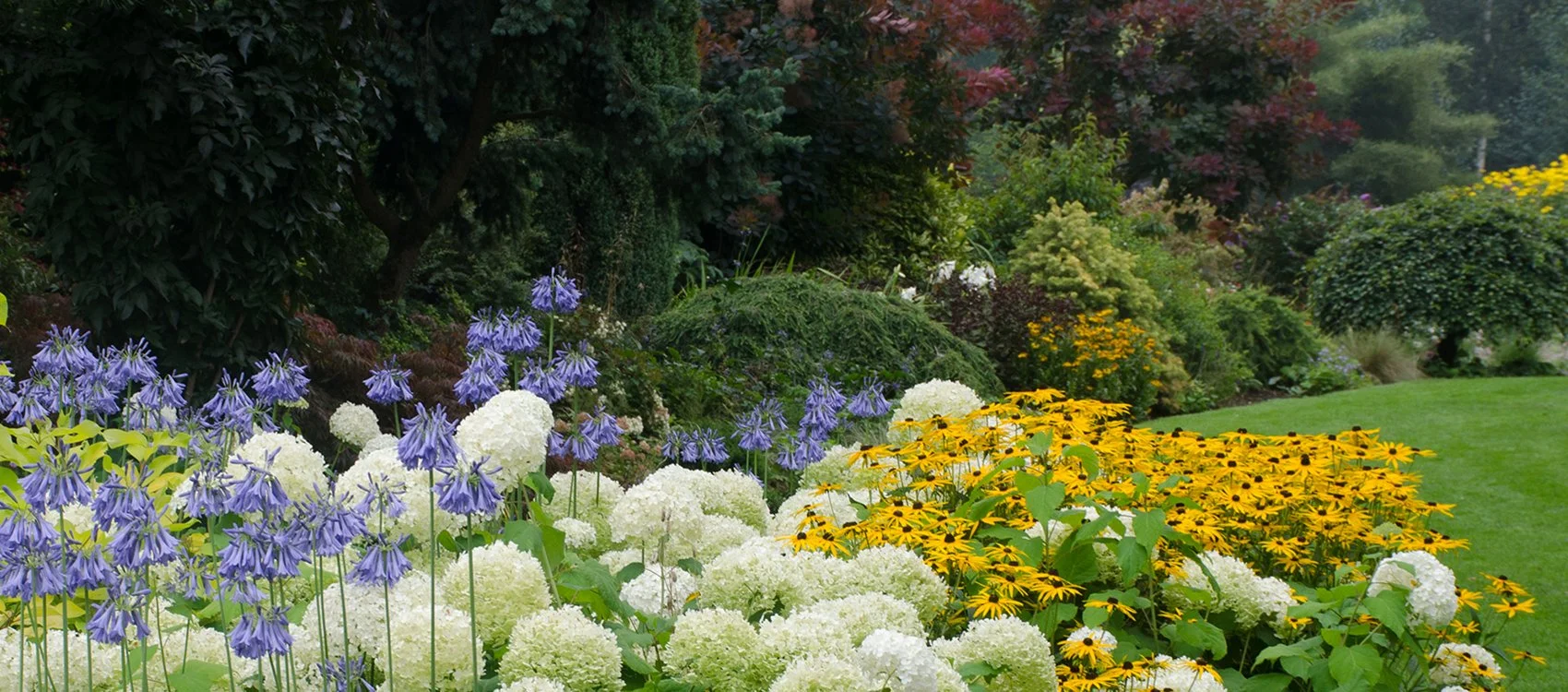
Garden Installation: From design to “Done!”
We’re not just a team with a lot of creative ideas, our experienced crew takes every design from “plan” to “planted” with maximum efficiency and careful attention to detail.
Every garden installation begins with a detailed design plan. Our experienced team prepares the site with care, including soil amendments, grading, and drainage improvements before the plants are placed. This ensures that your new plants—from trees and shrubs to perennials and pollinator-friendly flowers—will not only look beautiful but grow well and thrive for years to come.
Once planting is complete, we finish with mulch, irrigation setup, and watering instructions to help your garden become established—and even assist you in registering your space as a certified habitat with the National Wildlife Federation.
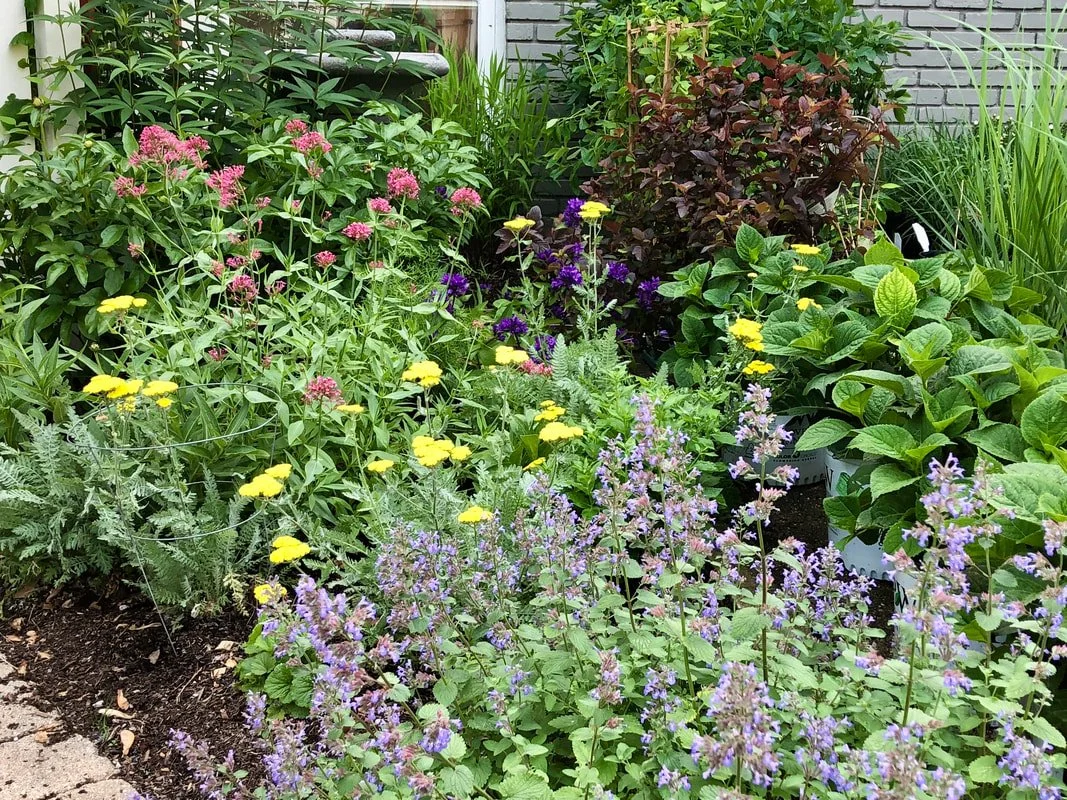
Preparation and placement matters.
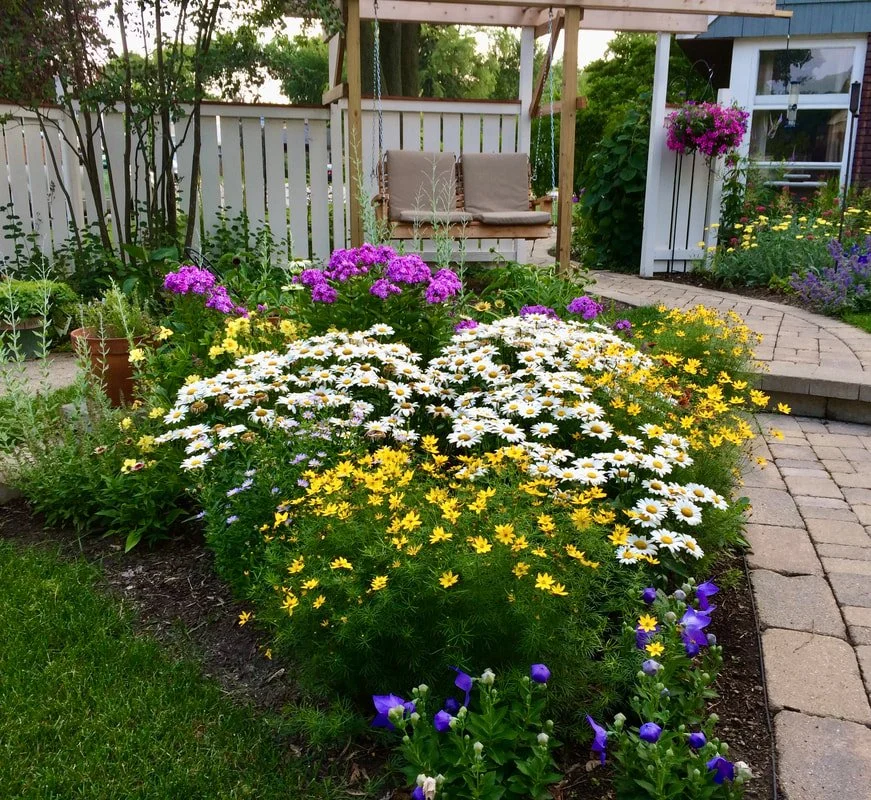
Scheduling your installation
There are many factors that can affect the scheduling of your garden project. Understanding when your job is put on the Green Edens schedule and what affects the initial start date will help you plan for your project’s success.
Please read our frequently asked questions regarding scheduling and the garden installation process.
And of course, you can always reach out to your designer via phone or email to discuss your project.
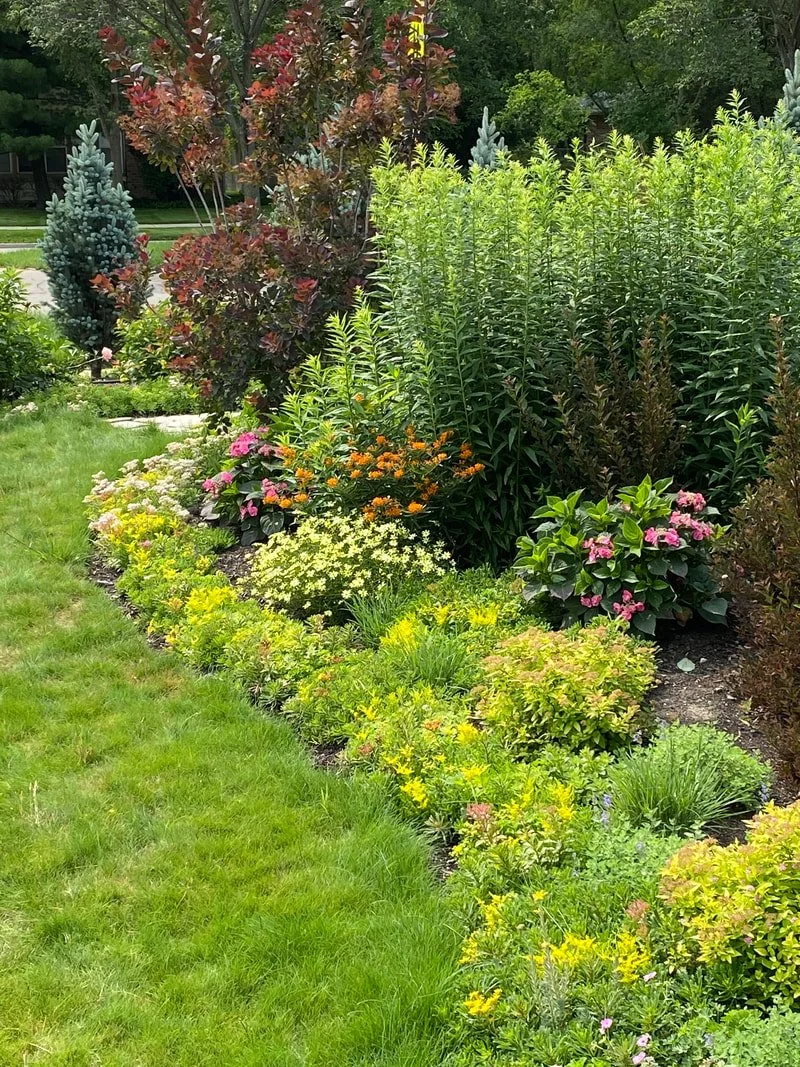
Garden Installation FAQs
To learn more about our garden installation process, explore the FAQs below .
For details about how to get started, please read our Consultation & Design FAQs.
You can also contact us to discuss your project or schedule a free consultation.
Questions about scheduling your installation:
-
The two most important things you can do to get your job processed and scheduled is to sign and return your contract and deposit. The date we receive your contract and deposit is noted and reserves your “place in line”. Having only the contract, or only your deposit, will delay the processing of your project and place in line. Verbal promises will not reserve your place in the queue.
-
In many projects the overall design and concept may be complete without all the details being in place. If the details are not too numerous, or do not involve items that need to be ordered with a long lead time, then you may send us your contract and deposit to reserve your place on the schedule. If changes occur that increase or decrease the cost of your project after you sign the contract, we'll issue a new contract in the form of a change order to account for the difference.
-
Your project wait time will vary with the season. The spring months are our busiest time, so the wait may be longer then. Projects are scheduled in the order in which contracts and deposits are received, and there could be a lead time of 4 weeks or more prior to installation. Please know that each of our designs and installations is unique to each customer, and we pride ourselves on providing the highest quality possible. This attention to detail and satisfaction takes time. Our goal is to provide each client with the same level of excellent service as the next.
-
We do the best we can to accommodate all of our clients. Once your contract and deposit are received, your job will be scheduled and an estimated installation date will be available. However, it is impossible for us to give an exact installation date too far in advance. There are so many factors that come into play behind the scenes of your individual installation. Although we do our best to plan our days, jobs can run long due to unknown factors such as hidden site conditions like compacted soil, buried foundations, rebar in concrete, or tree roots. The weather is also unpredictable and can delay jobs. Other factors include special order items that may be delayed, permit problems, site access problems and occasionally equipment problems. All of these things can cause a change in the installation date. We usually have an idea of an exact date about a week ahead of your installation date. We will contact you to confirm your installation a day or two prior to our expected start date.
Though we always try to satisfy special scheduling requests, it is highly recommended that you plan your landscaping project well in advance of any parties or other important events.
-
Yes. If you are working with one of our recommended contractors or one of your own, we will be happy to coordinate schedules. If one of your own contractors requires site meetings, additional coordination, or causes us to make any unplanned return trips to the job site, additional charges may be incurred.
Other questions about Green Edens’ installation process.
-
If the rain is light and intermittent, we’ll keep working, but if the forecast calls for prolonged rain or more severe weather, we’ll work with you to reschedule your project for the next soonest possible date.
-
JULIE is Illinois' free notification service to prevent underground utility damage. It is Green Edens’ responsibility to call JULIE’s utility marking service prior to starting your installation. They will send a team to mark where the utilities are buried on your property.
It is your responsibility to tell us about any underground utilities you’re aware of that JULIE will not find.
Examples include:
underground sprinkler piping,
invisible dog fences
gas lines that run to an outdoor grill or firepit
electrical lines buried for a detached garage.
-
We finish each garden installation by applying a layer of mulch (predominantly leaf mulch) around your plants. This helps retain soil moisture and prevents weeds from growing. It also feeds your garden beds with nutrients as it breaks down over time.
As your plants reach full maturity, they will require less mulch, but we still recommend that you schedule our mulching maintenance service each spring.
-
When your garden is new, it’s vitally important to keep your plants properly hydrated, especially in the first year. In fact, if your plants die due to improper watering, any warranty that you have on the plants becomes null and void.
Drip lines are more cost-effective to install than a sprinkler system, and they deliver water directly to the roots of your plants instead of wetting the leaves which can lead to disease.
When used with a programmable timer, you can deliver the right amount of water, right when your plants need it.